Send the brief
Tell us what is arriving, what needs to change, the quantity, deadline and required finished format.
UK contract packing company & co-packing services
Turn supplied stock into the finished pack your next sales or distribution stage requires. For contract repacking or product rework, define the incoming condition, agreed packing sequence, supplied materials, counts, labels and approved reference sample before the production run is scoped.
From one-off rework to repeat packing runs, start with a clear conversation.
Contract repacking changes existing stock into an approved finished format. Contract packing can also build a new pack from supplied products and components. Tell Stockholm what arrives and what must leave so the handling, materials and checks can be scoped correctly.
Record how many saleable units arrive in each outer and the grouping required afterwards. Show which packs stay sealed and which packaging will be removed. Include new cartons, dividers, labels and onward pallet instructions. Confirm identifier and customer requirements with the responsible pack owner before the new configuration is released.
Supply the exact approved artwork or instruction and a marked sample showing position and orientation. Identify old versions that must be removed or covered and the acceptance rule for damaged packaging. Do not rely on a verbal description such as “replace the label” where several products or versions may look similar.
List each component and quantity per finished set, including inserts and packaging materials. Nominate the approved reference sample and how missing or unsuitable components are handled. For multiple variants, define separation and checking so a complete-looking pack is not mistaken for the correct combination.
State received quantities by product or batch, the requested completion date and where finished stock goes next. Agree how completed units, remaining components, damaged items and held stock are reconciled. Explain who can approve a deviation when incoming stock differs from the sample; timing and suitability remain subject to review.
01Project-ledStart with the job, not a fixed menu.
02Clearly scopedDefine the pack, checks and handover.
03UK enquiriesPractical support for brands and industry.
Services
Send the outcome you need. We’ll help turn it into a practical scope, whether the requirement is a new pack build, capacity support or stock that needs correcting.
Outsource a defined packing stage, complete pack build or repeat production requirement around an agreed brief.
Secondary packing, assembly & handworkExplore contract packingBring stock back into the right format through controlled repacking, presentation correction or pack rectification.
One-off, corrective & recurring projectsExplore repackingApply approved labels, over-labels, barcodes or promotional information to a clearly documented specification.
Labelling, relabelling & over-labellingExplore product labellingCombine multiple components into retail, campaign, sample or presentation-ready packs with defined checks.
Multi-component & promotional buildsExplore kittingPrepare suitable campaign, sample, gift and launch packs around an approved build and fixed commercial date.
Campaign, sample & seasonal packsExplore promotional packingSupport detail-led projects where careful manual assembly, inserts or final presentation make the difference.
Manual packing, inserts & finishingExplore hand packingEvery project is subject to product, process, volume, timing and operational review.
Why outsource
When an in-house team is stretched, the deadline is fixed or a pack needs specialist attention, outsourcing the work can remove a production bottleneck without adding permanent overhead.
How it works
You do not need a finished specification to start. You do need a useful description of the job.
Tell us what is arriving, what needs to change, the quantity, deadline and required finished format.
We clarify materials, handling, checks, responsibilities and any samples needed before quoting.
The scope, approved standard, schedule and handover points are agreed before work begins.
Work follows the agreed brief, with finished goods prepared for the next step in your supply chain.
Production minded
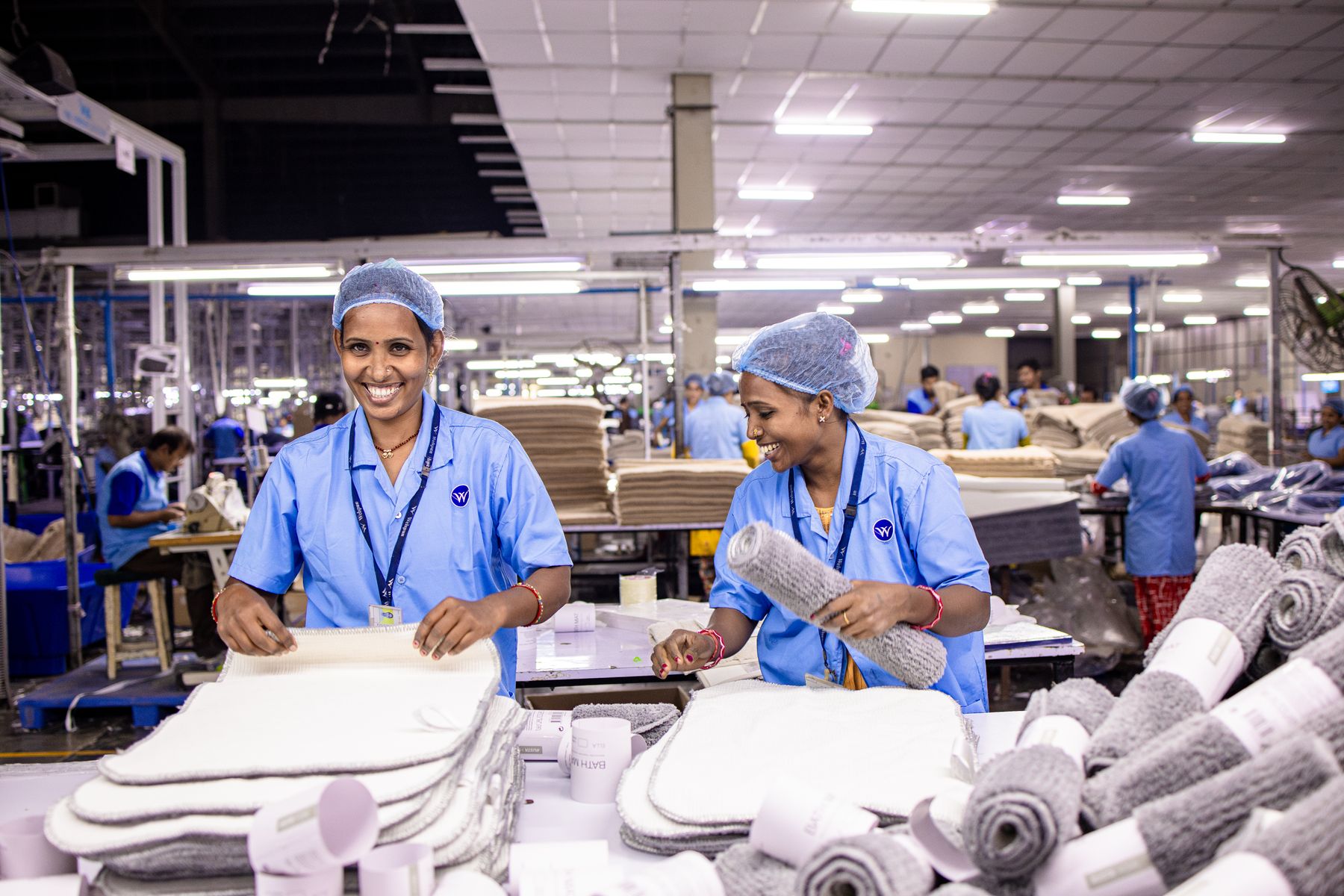

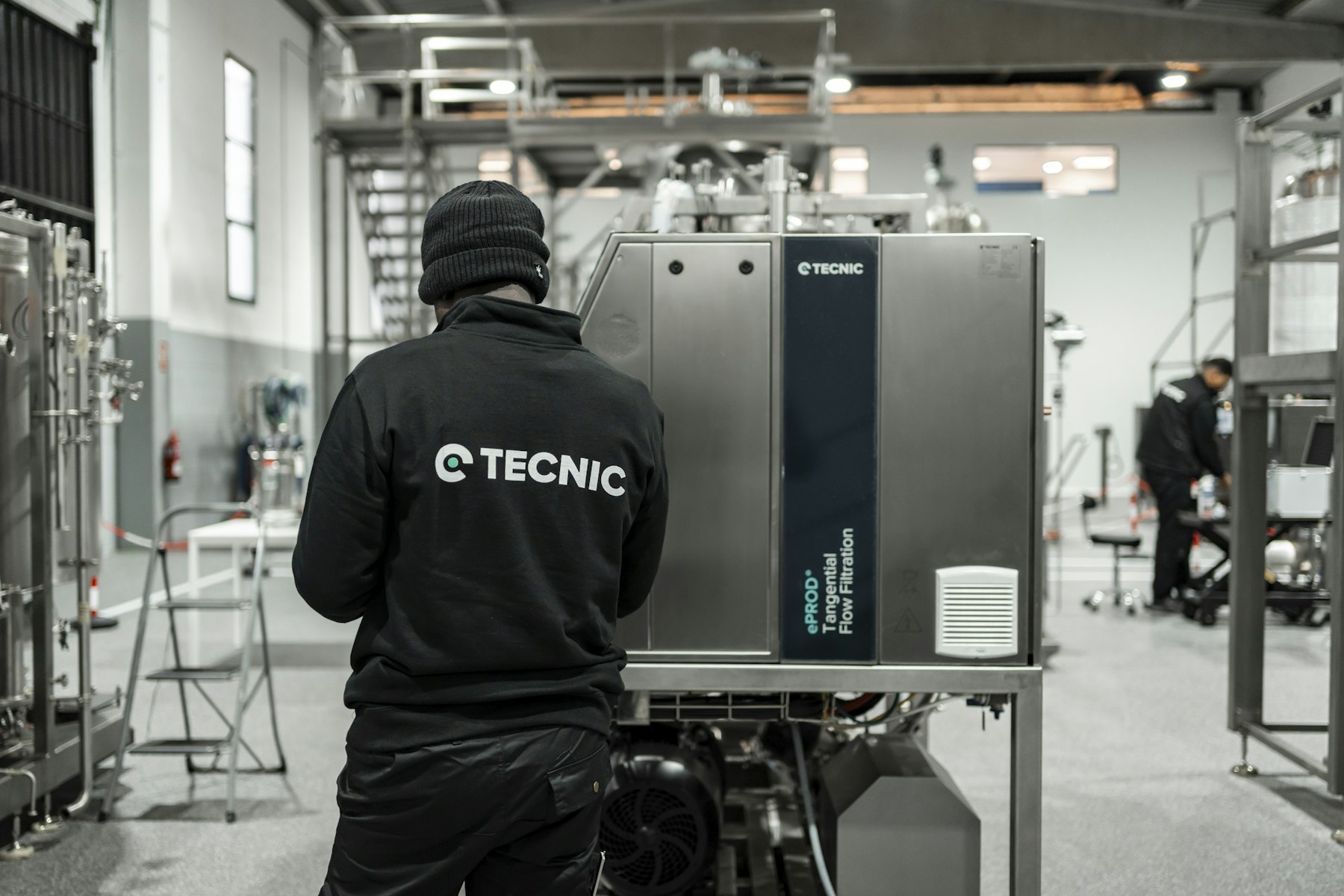
Production photography is representative.
Project control
Strong packing projects are specific. The best place to prevent rework, uncertainty and delay is the brief agreed before production starts.
Explore process & quality01Incoming goodsFormat, quantity and condition
02Approved standardSample, artwork or clear instructions
03In-process checksWhat is checked, how and when
04Finished handoverPacking, identification and onward plan
Common questions
Still unsure whether the project fits? Send the requirement or call the team.
01494 623015Start with the product or components, current and required pack format, quantity, timing, materials, quality checks and inbound or outbound arrangements. Photos or a sample can help make the first review more useful.
Yes. One-off, corrective and repeat requirements can all be reviewed. Suitability depends on the product, process, volume, timing and controls, so send the brief rather than trying to select a service first.
No. Describe how the goods arrive and what the accepted finished pack needs to look like. Stockholm Ltd can then ask the practical questions needed to define the work.
Include the required completion date, stock availability and quantity in your enquiry. Timing is confirmed only after the full scope and production fit have been reviewed.
Your project details are sent to the Stockholm Ltd enquiry team. They will review the brief and contact you to clarify the requirement or discuss the next practical step.
Start a conversation
A useful first message includes the product, current and required pack format, volume, deadline and where the goods need to go next.
Start a repacking project with a clear before-and-after pack specification. Photograph how stock arrives, list the current case quantities and describe every change: opening an outer carton, replacing a sleeve, adding an insert or rebuilding a retail set. State whether the primary product pack stays sealed. That boundary affects handling, checks and the production method Stockholm needs to review.
Create a stock reconciliation plan before work begins. Record received quantities by product variant and batch, then agree how completed units, unused components, damaged stock and items awaiting a decision will be counted. Give the team a named contact who can authorise action when the condition differs from the agreed sample. This helps a correction project end with a usable inventory record.
Review identification whenever the finished grouping changes. Under GS1 rules, a different case quantity can require a new identifier at the affected packaging level. Confirm the approved case label and customer instructions before printing or applying it. Include carton strength, units per case, pallet configuration and onward delivery requirements so the quotation covers the complete route back into distribution.
Agree a separate hold category, photographs or other evidence, and who can authorise rework, return or disposal. Do not leave the production team to infer acceptance from the original pack description.
Check the GS1 allocation rules and your customer requirements. A change to a defined case quantity requires a new GTIN for that packaging level; the individual product identifier may remain unchanged.
Repacking reconciliation explains how received stock becomes completed packs, samples, rejects, work in progress and remaining material. Track product units separately from cartons, kits and pallets, and record each variant. Stockholm can discuss the rework and reporting scope against your brief; disposition of damaged goods, unused components and unresolved quantities needs an authorised instruction.