Secondary packing
Place finished or primary-packed goods into retail, presentation, grouped or transit-ready outer formats.
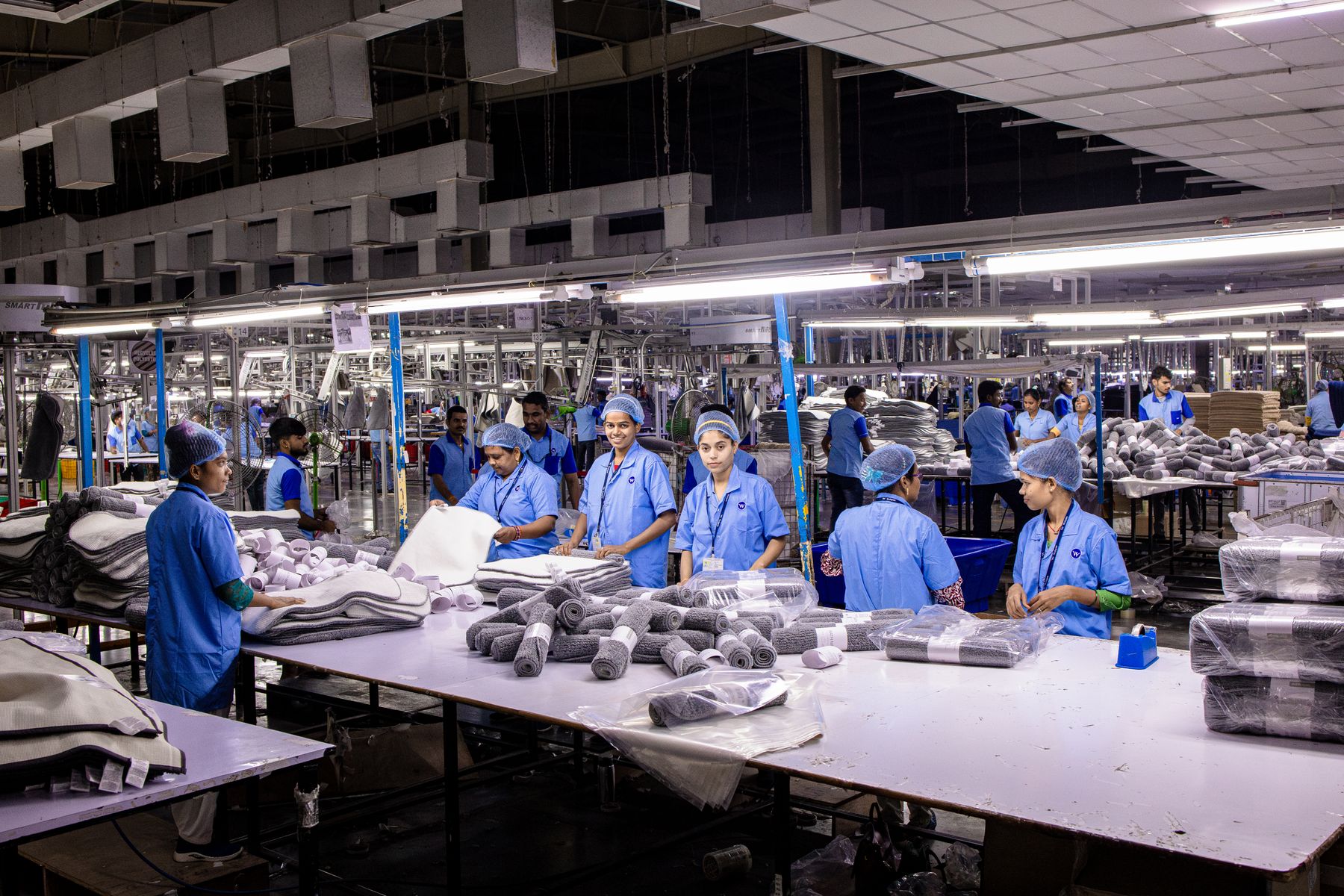
Contract packing & co-packing services UK
Outsource a defined packing stage or complete co-packing build to a production-minded team working from an agreed brief.
Built around the briefStart with the incoming goods and required finished format.
Useful capacitySupport a launch, campaign, overflow requirement or repeat run.
Clear handoverAgree materials, checks, timing and the next supply-chain step.
Contract packing in one sentence
Contract packing and co-packing both describe an external company completing an agreed packing activity for a brand, manufacturer or distributor.
The scope may cover a complete pack build or one defined stage. The goods, materials, process, quantities, finished standard and handover are agreed before production.
A contract packer completes an agreed packing activity for another company. That might be a complete pack build, a secondary packing operation, careful hand assembly, campaign preparation or a defined stage between manufacture and onward distribution.
The useful question is not simply “can this be packed?” It is whether the product, materials, method, quantity, timing and quality standard can be brought together as a workable production brief. Stockholm Ltd starts there.
Tell us how the goods arrive, what the finished pack should look like, the approximate quantity, the required date and what must happen next. If you have approved artwork, samples or photographs, mention those too. The team can then focus on the practical fit instead of asking you to choose from a generic menu.
Possible requirements
The exact method is confirmed only after a product and process review. These are common types of brief rather than a fixed capability promise.
Place finished or primary-packed goods into retail, presentation, grouped or transit-ready outer formats.
Support projects where controlled manual work, careful placement or detailed finishing matters to the outcome.
Prepare suitable products for launches, promotions, samples, events, seasonal demand or limited-duration activity.
Bring approved components together into a defined kit, set or pack with an agreed inclusion standard.
Add approved leaflets, cards, dividers or presentation elements where the brief calls for a finishing stage.
Review recurring packing requirements where a stable brief and planned handover can support repeat production.
Scope before production
A useful contract packing scope gives everyone the same definition of the incoming goods, materials, completed pack and acceptable result.
Contract packing FAQs
If your project does not fit a neat category, send the brief anyway. Suitability is determined by the actual work.
A contract packing service carries out an agreed packing stage or complete pack build on behalf of another business. The product, materials, instructions, checks, volume and handover are defined before production.
Yes. One-off, campaign, seasonal and repeat requirements can be reviewed. Suitability depends on the goods, process, quantity, timing and operational requirements.
Material responsibility should be agreed during scoping. Tell us what you already hold, what is approved and whether any item still needs to be sourced or confirmed.
Include what arrives, the required finished pack, approximate quantity, materials, deadline, quality checks and the inbound and outbound plan.
Start the review
Send the pack format, quantity, deadline and required result. Stockholm Ltd will review the practical fit.
A delivery total is not automatically the quantity available for packing. Record the item code, batch, outer quantity and condition of incoming goods. Keep damaged, unapproved or unidentified stock separate from the quantity released to the job. This prevents a shortfall being hidden inside a packing target.
For an illustrative kit containing two units and one leaflet, 1,000 accepted units and 450 approved leaflets support at most 450 complete kits before process losses. Another 100 units remain unallocated. The same calculation should be repeated for cartons, labels, dividers and any variant-specific item; the finished-goods order alone does not reveal the constraint.
Agree whether a shortage means stopping the whole run, completing an approved subset or holding incomplete packs in an identified area. A different leaflet, substituted component or revised pack count changes the build instruction and needs an identified approval route. Record the revision used rather than relying on a verbal message at the packing bench.
A useful handover distinguishes completed accepted packs, held work, rejected material, unused components and any authorised process allowance. Investigate unexplained differences before releasing the job. Use the process and quality guide to define checks, then review cost and quotation inputs with the actual quantities and material responsibilities.